Buy lanatrade.eu ?
We are moving the project
lanatrade.eu .
Are you interested in purchasing the domain
lanatrade.eu ?
domain@kv-gmbh.de · 0541-91531010
Buy lanatrade.eu ?
What is the small yellow spot on the poultry luncheon meat?
The small yellow spot on poultry luncheon meat is likely fat. Poultry luncheon meat is made from a mixture of ground poultry, seasonings, and sometimes added fats. During the processing of the meat, small pockets of fat can form and appear as yellow spots. This is a normal occurrence and is safe to consume. **
What is the history of napkin decoupage?
Napkin decoupage, also known as paper napkin decoupage, has its origins in the art of decoupage, which dates back to ancient times. Decoupage involves decorating objects by gluing paper cutouts onto them and then sealing them with varnish. The technique became popular in Europe during the 18th century, and napkin decoupage specifically gained popularity in the 20th century as decorative paper napkins became widely available. It is a popular craft technique for creating unique and personalized home decor items, such as vases, trays, and furniture. **
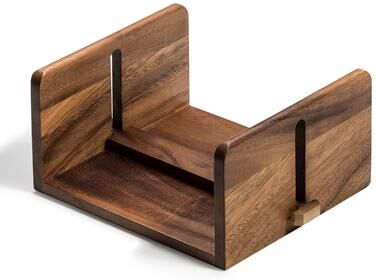

Similar search terms for Kalmar-Home-Luncheon-Napkin
Top-Angebote
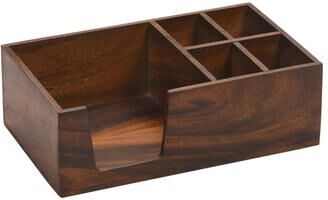
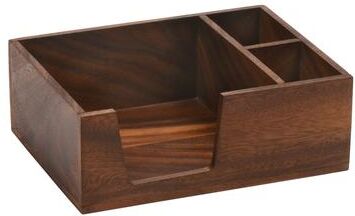
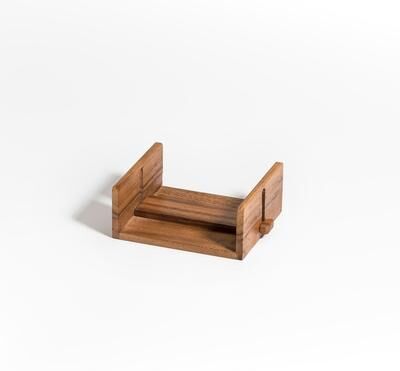
Products related to Kalmar-Home-Luncheon-Napkin:
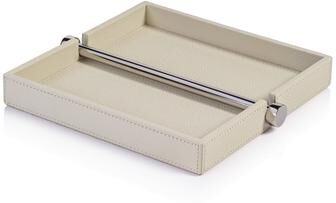
-
How far do outdoor cats roam from home?
Outdoor cats can roam up to several acres from their home, with some studies suggesting they can travel up to 1,000 feet away. The range a cat explores largely depends on factors such as their age, sex, and whether they are neutered. Cats are known for their territorial behavior, so they may not roam too far from their home if they feel their territory is secure. **
-
How does the napkin technique work on glass?
The napkin technique on glass involves using a wet napkin to create a temporary design or pattern on the surface of the glass. The napkin is placed on the glass and gently pressed to adhere to the surface. The wet napkin creates a temporary bond with the glass, allowing the design to transfer onto the glass. Once the napkin is removed, the design will remain on the glass. This technique is often used for creating decorative patterns or designs on glass surfaces. **
-
How long can outdoor cats stay away from home?
Outdoor cats can stay away from home for varying lengths of time depending on their individual habits and the environment they are in. Some outdoor cats may only wander a few houses down and return home within a few hours, while others may roam further and stay away for several days. However, it's important to note that outdoor cats face many risks when they are away from home, including traffic, predators, and getting lost, so it's best to keep track of their whereabouts and encourage them to stay close to home. **
-
Why do outdoor cats only come home to sleep?
Outdoor cats are natural hunters and explorers, so they often spend their days roaming and hunting for food. They may only come home to sleep because they feel safe and secure in their familiar environment. Additionally, cats are crepuscular animals, meaning they are most active during dawn and dusk, so they may prefer to spend their waking hours outside and return home to rest during the night. Finally, outdoor cats may also come home to sleep because they have established a territory around their home and feel the need to defend it, especially during the night when potential threats are higher. **

How can one keep outdoor cats indoors at home?
One way to keep outdoor cats indoors at home is to gradually transition them by starting with short periods of time indoors and gradually increasing the duration. Providing plenty of toys, scratching posts, and climbing structures can help keep them entertained and active indoors. Additionally, creating a stimulating indoor environment with access to windows and perches can help satisfy their natural curiosity. It's also important to ensure they have a comfortable and safe indoor space, with access to food, water, and a litter box. **
How can one blow their nose into a napkin?
To blow your nose into a napkin, simply hold the napkin up to your nose and gently blow air out of your nostrils. Make sure to cover your nose completely with the napkin to catch any mucus or debris. Once you have blown your nose, carefully fold the napkin to contain the contents and dispose of it properly in a trash bin. Remember to wash your hands thoroughly after blowing your nose to prevent the spread of germs. **
Top-Angebote
Products related to Kalmar-Home-Luncheon-Napkin:
-
What is the small yellow spot on the poultry luncheon meat?
The small yellow spot on poultry luncheon meat is likely fat. Poultry luncheon meat is made from a mixture of ground poultry, seasonings, and sometimes added fats. During the processing of the meat, small pockets of fat can form and appear as yellow spots. This is a normal occurrence and is safe to consume. **
-
What is the history of napkin decoupage?
Napkin decoupage, also known as paper napkin decoupage, has its origins in the art of decoupage, which dates back to ancient times. Decoupage involves decorating objects by gluing paper cutouts onto them and then sealing them with varnish. The technique became popular in Europe during the 18th century, and napkin decoupage specifically gained popularity in the 20th century as decorative paper napkins became widely available. It is a popular craft technique for creating unique and personalized home decor items, such as vases, trays, and furniture. **
-
How far do outdoor cats roam from home?
Outdoor cats can roam up to several acres from their home, with some studies suggesting they can travel up to 1,000 feet away. The range a cat explores largely depends on factors such as their age, sex, and whether they are neutered. Cats are known for their territorial behavior, so they may not roam too far from their home if they feel their territory is secure. **
-
How does the napkin technique work on glass?
The napkin technique on glass involves using a wet napkin to create a temporary design or pattern on the surface of the glass. The napkin is placed on the glass and gently pressed to adhere to the surface. The wet napkin creates a temporary bond with the glass, allowing the design to transfer onto the glass. Once the napkin is removed, the design will remain on the glass. This technique is often used for creating decorative patterns or designs on glass surfaces. **
Similar search terms for Kalmar-Home-Luncheon-Napkin
-
How long can outdoor cats stay away from home?
Outdoor cats can stay away from home for varying lengths of time depending on their individual habits and the environment they are in. Some outdoor cats may only wander a few houses down and return home within a few hours, while others may roam further and stay away for several days. However, it's important to note that outdoor cats face many risks when they are away from home, including traffic, predators, and getting lost, so it's best to keep track of their whereabouts and encourage them to stay close to home. **
-
Why do outdoor cats only come home to sleep?
Outdoor cats are natural hunters and explorers, so they often spend their days roaming and hunting for food. They may only come home to sleep because they feel safe and secure in their familiar environment. Additionally, cats are crepuscular animals, meaning they are most active during dawn and dusk, so they may prefer to spend their waking hours outside and return home to rest during the night. Finally, outdoor cats may also come home to sleep because they have established a territory around their home and feel the need to defend it, especially during the night when potential threats are higher. **
-
How can one keep outdoor cats indoors at home?
One way to keep outdoor cats indoors at home is to gradually transition them by starting with short periods of time indoors and gradually increasing the duration. Providing plenty of toys, scratching posts, and climbing structures can help keep them entertained and active indoors. Additionally, creating a stimulating indoor environment with access to windows and perches can help satisfy their natural curiosity. It's also important to ensure they have a comfortable and safe indoor space, with access to food, water, and a litter box. **
-
How can one blow their nose into a napkin?
To blow your nose into a napkin, simply hold the napkin up to your nose and gently blow air out of your nostrils. Make sure to cover your nose completely with the napkin to catch any mucus or debris. Once you have blown your nose, carefully fold the napkin to contain the contents and dispose of it properly in a trash bin. Remember to wash your hands thoroughly after blowing your nose to prevent the spread of germs. **
* All prices are inclusive of VAT and, if applicable, plus shipping costs. The offer information is based on the details provided by the respective shop and is updated through automated processes. Real-time updates do not occur, so deviations can occur in individual cases. ** Note: Parts of this content were created by AI.